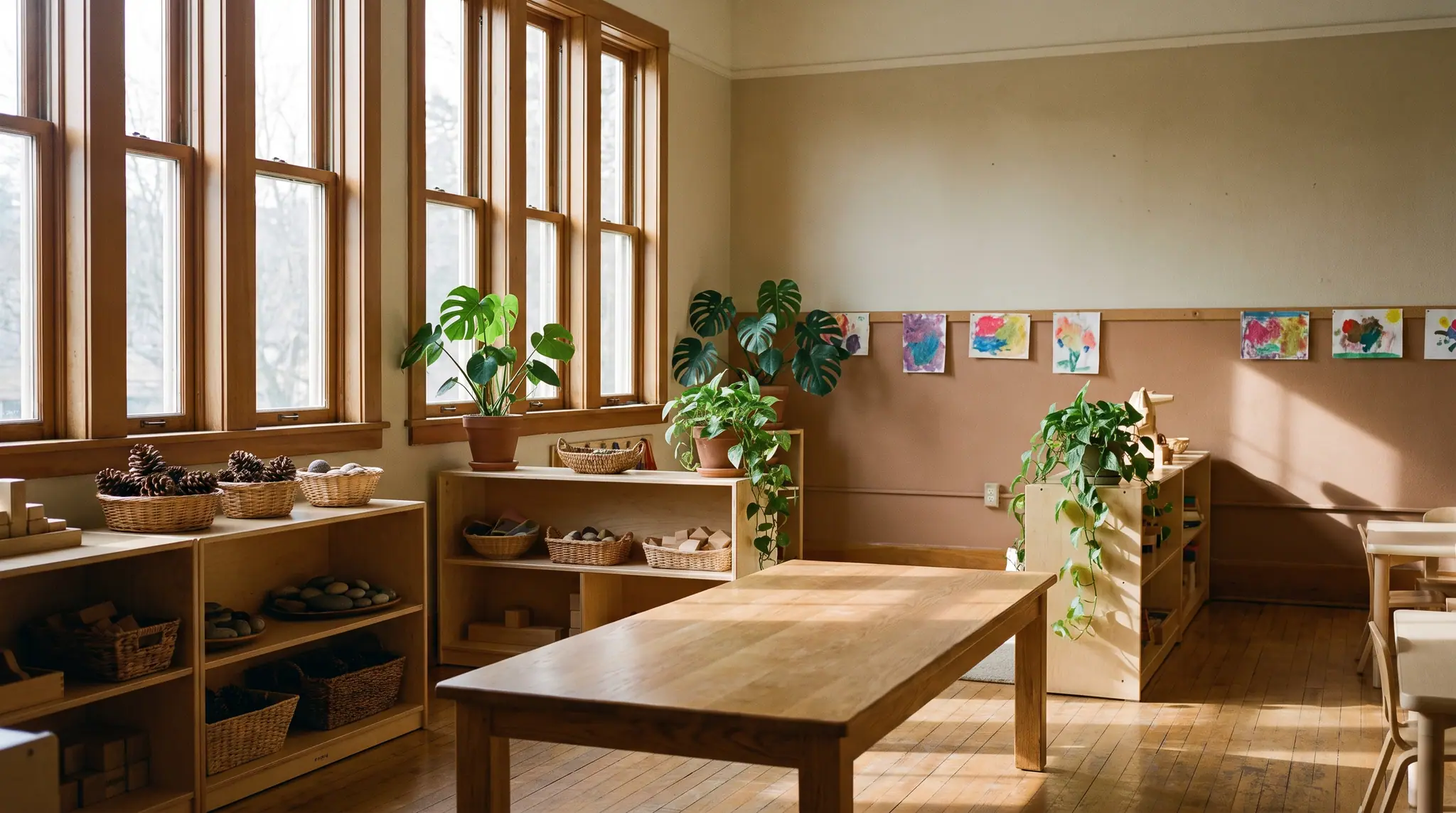
Southeast Portland · Six weeks to five years
A calm room, real light, and time to finish what you started.
Meadow is a Reggio Emilia-inspired centre where the environment is treated as the third teacher — and where a nine-week argument about shadows is allowed to run its course.
Four things you can check
A tour will tell you how a place feels. These are the parts you can verify before you get in the car.
Ratios below the state maximum
Three infants to an educator in groups of six. Fourteen children in Preschool, not twenty. Ratio is held continuously — including at nap, outdoors and at five in the afternoon.
See every ratioAn atelier and an atelierista
A working sculptor in the studio four days a week, and materials that have no correct outcome: clay, wire, light, wood, paint and a great deal of paper.
How we workOutside every day, in everything
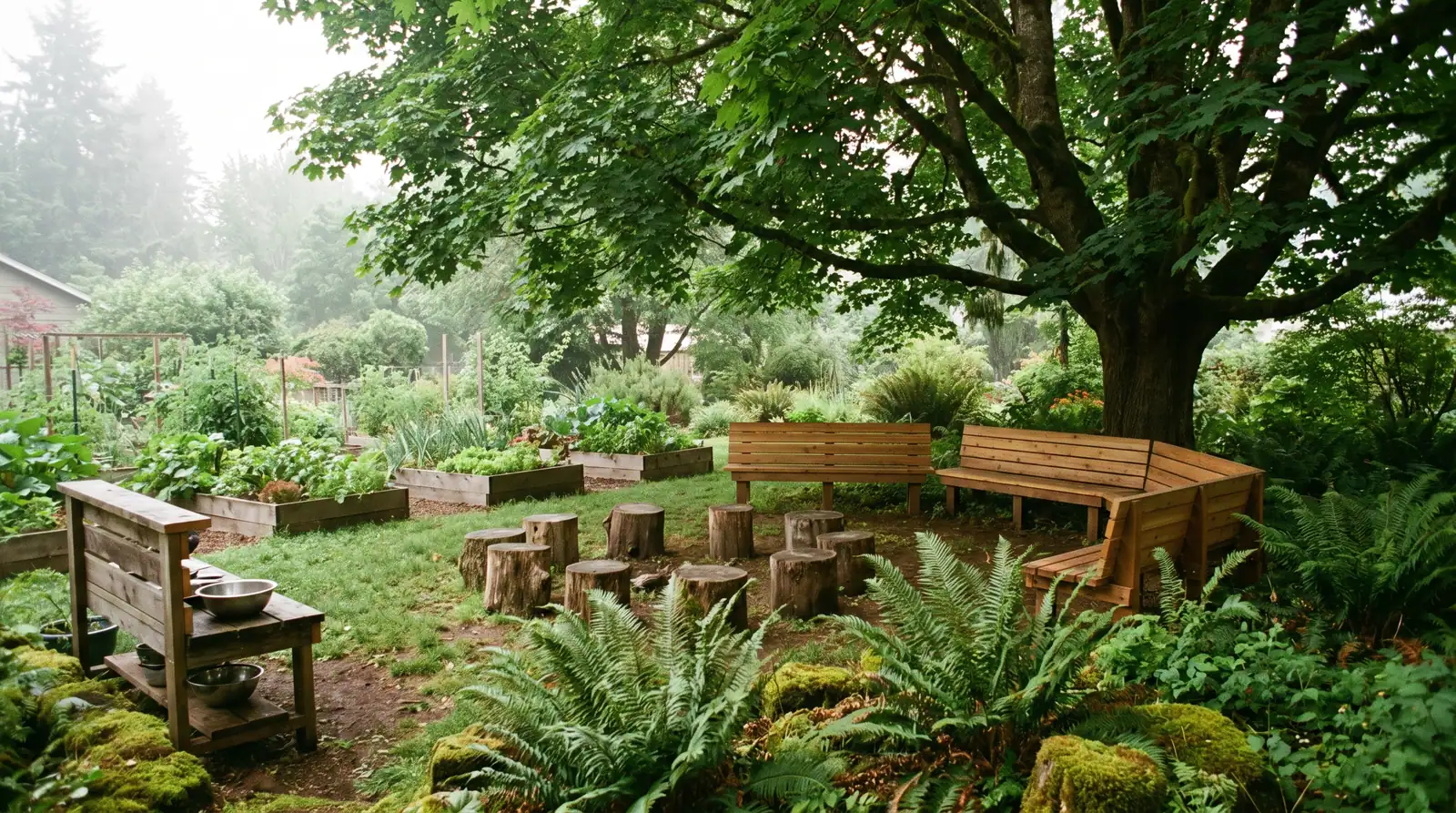
A real outdoor classroom — cedar benches, a mud kitchen, raised beds, a stand of maple — and children in it whatever the weather short of unsafe.
The outdoor classroomA kitchen, not a delivery
Every meal cooked here from a four-week menu, served family-style at the table with real crockery, with educators eating the same food alongside the children.
What is on the menu
Which room is my child in?
Children move up when they are ready, in small groups, with a settling-in period of about three weeks. The date follows the child rather than the birthday.
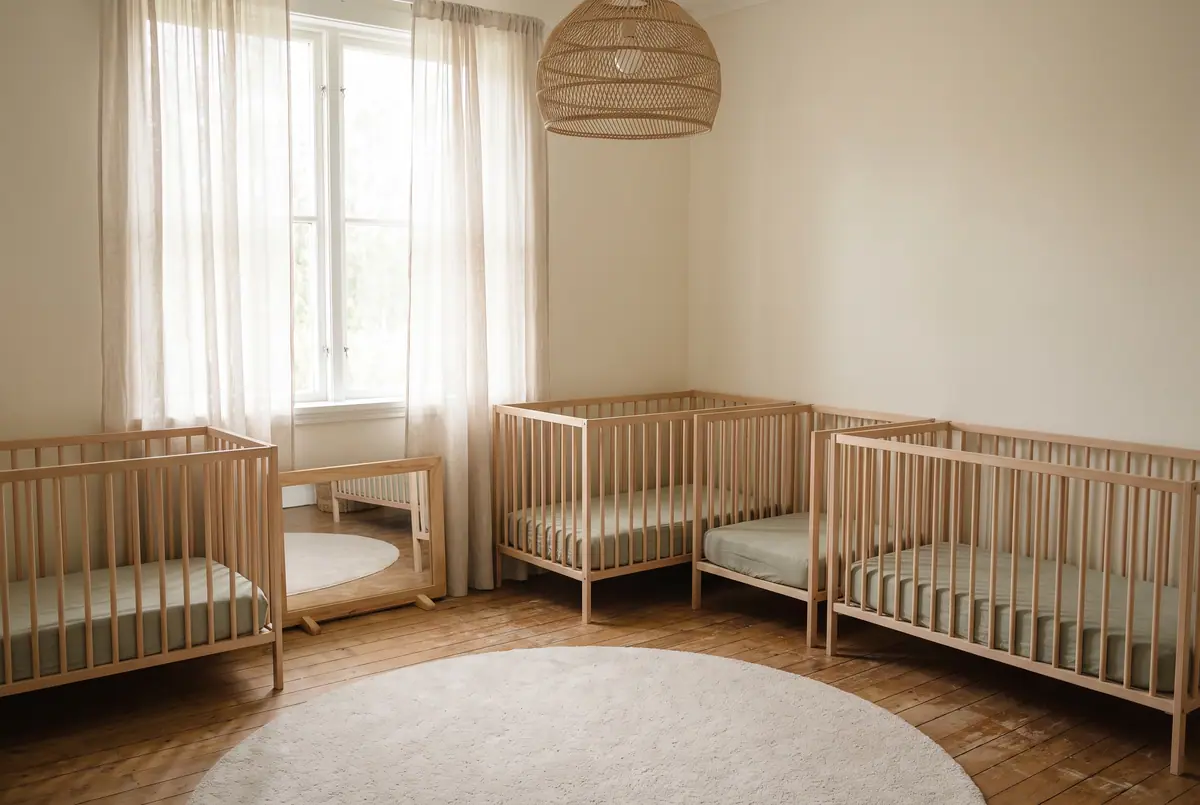 6 weeks – 12 monthsInfantsSix infants, two educators, one room that never gets loud.1 educator to 3 infants, group of 6
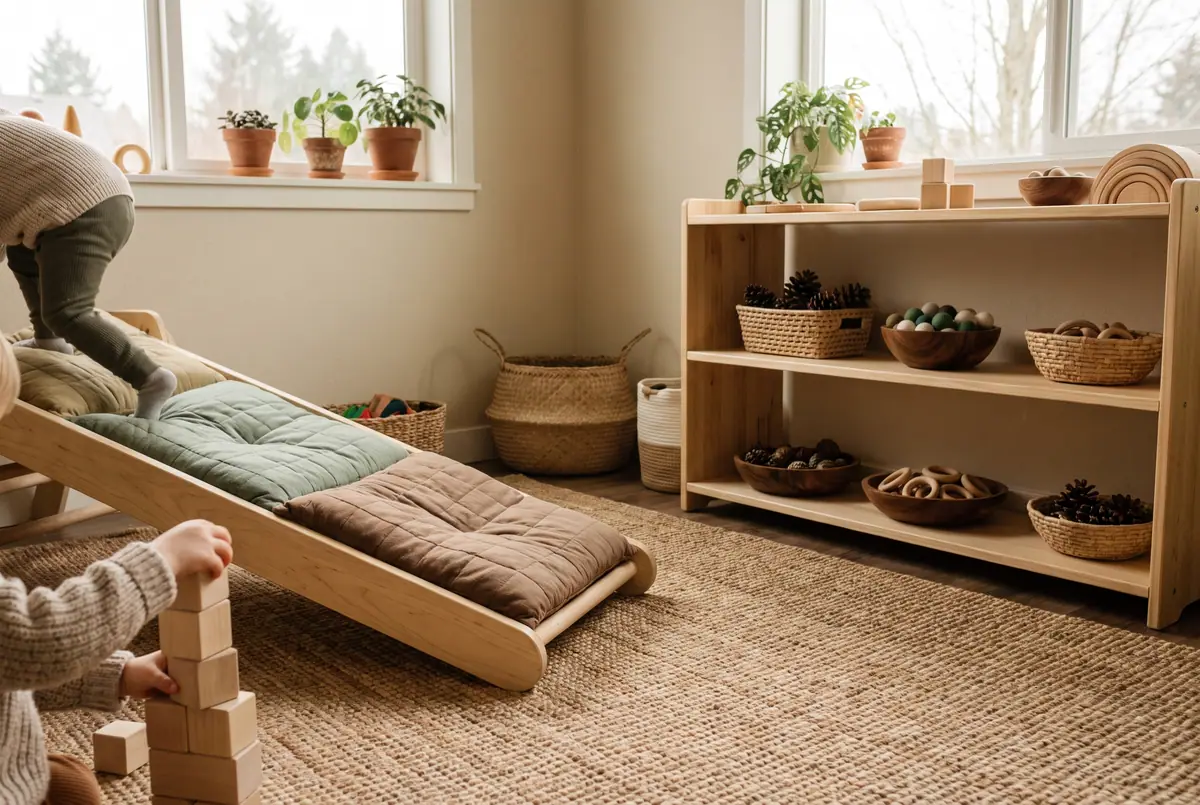 12 – 24 monthsToddlersWalking, climbing, carrying, dropping — and finding out what happens.1 educator to 3 toddlers, group of 6
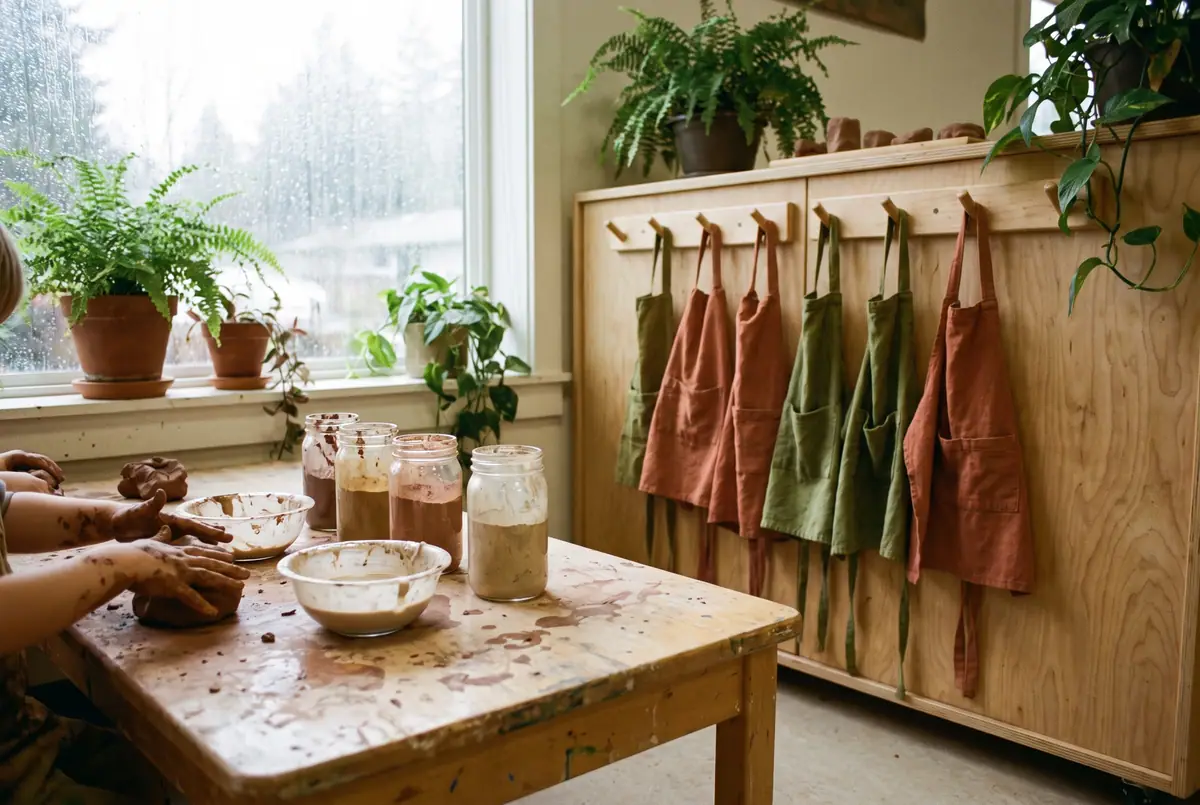 24 – 36 monthsTwosThe year of “I do it” — and the year clay arrives.1 educator to 4 children, group of 8
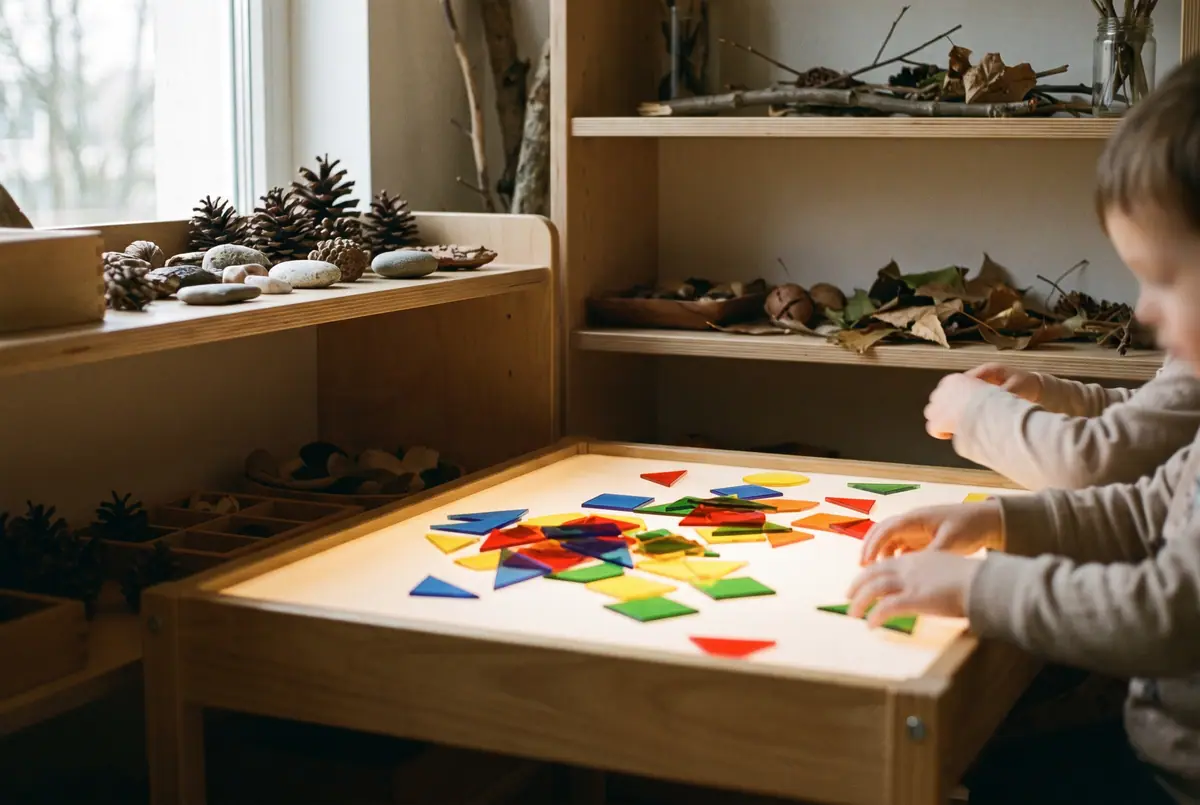 3 – 4 yearsPreschoolLong projects, real questions, and a studio that stays open.1 educator to 7 children, group of 14
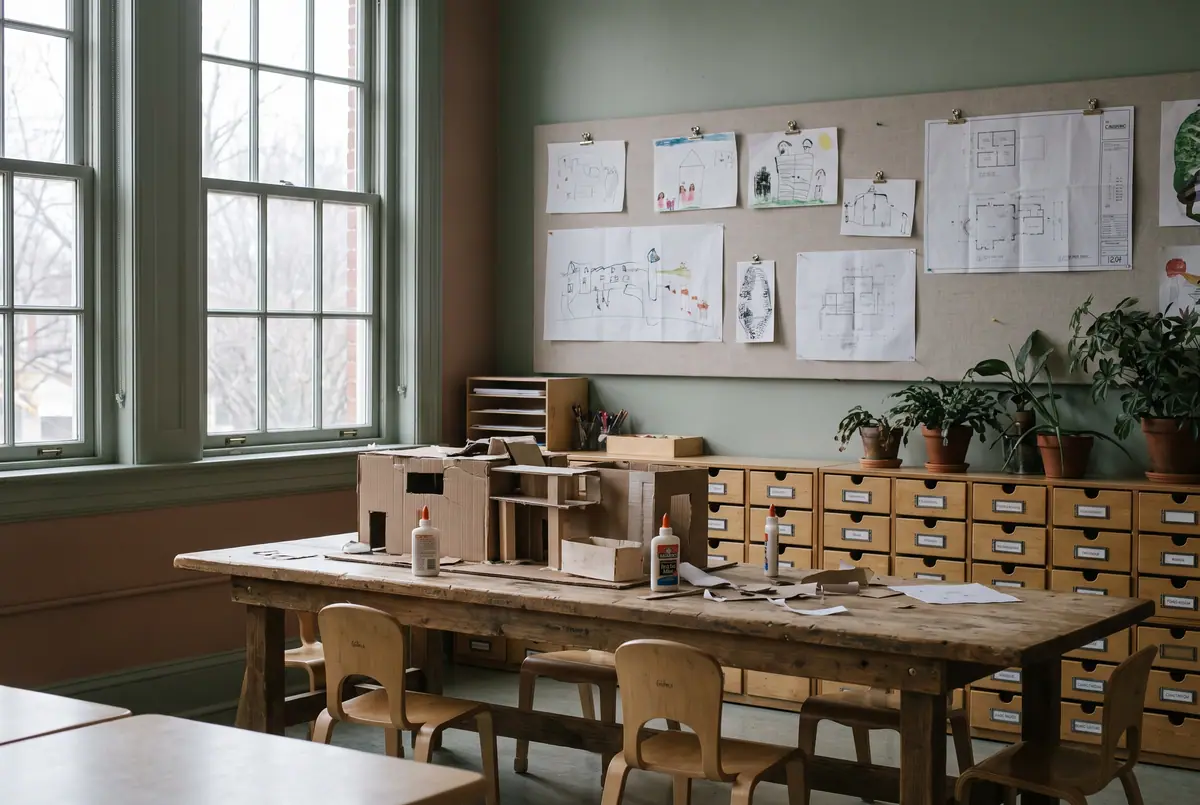 4 – 5 yearsPre-KThe last year before school, spent making things that are genuinely hard.1 educator to 8 children, group of 16

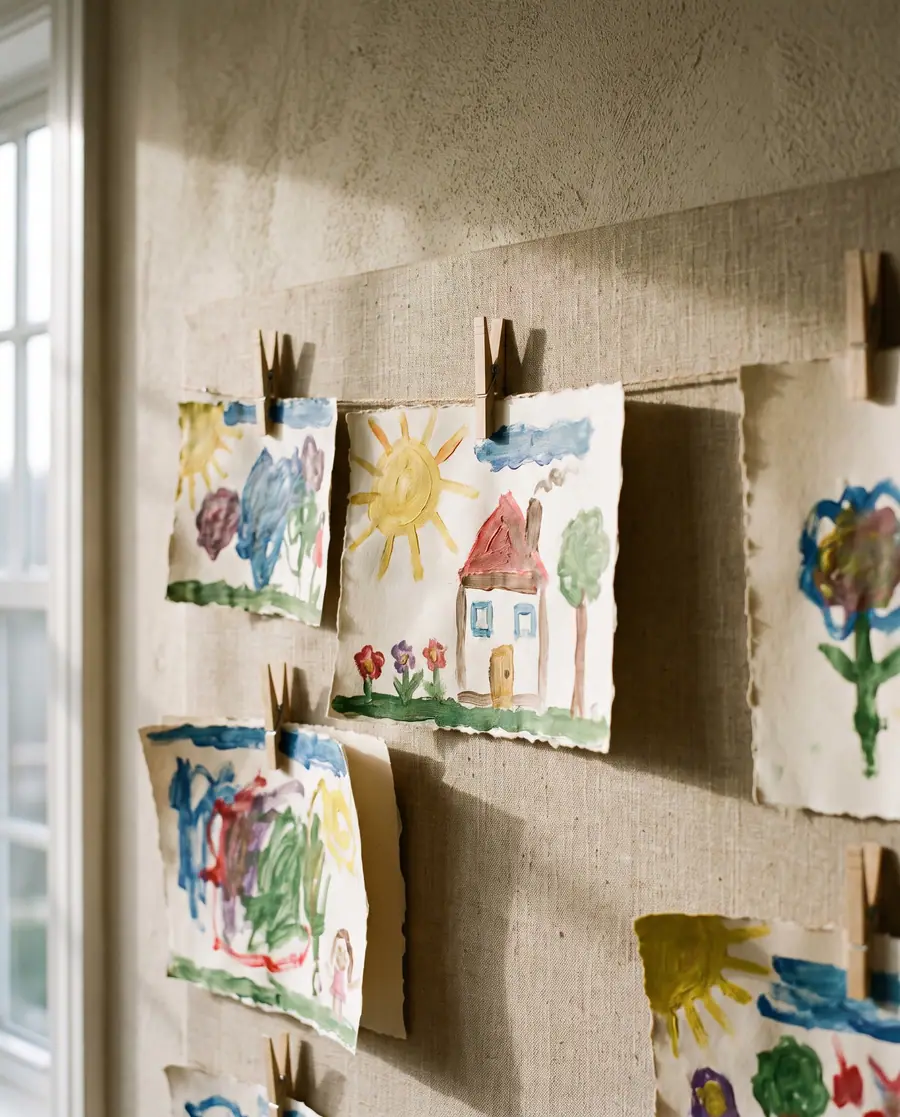
Reggio-inspired, and specific about what that means
Reggio Emilia is a city in northern Italy with a public system of infant-toddler centres and preschools. Nobody outside it is a Reggio school, and a centre in Oregon calling itself one is overclaiming.
What we take from it, and take seriously: the child as capable rather than empty; the environment as the third teacher; an atelier with a trained artist in it; long projects that follow the children’s question rather than a calendar; and pedagogical documentation — photographs, transcripts and drawings on the wall — as the way both children and adults find out what is actually being thought.
What we do not do: sequence materials the way Montessori does, run a themed curriculum, or teach a letter of the week. Those are coherent approaches. They are simply not this one.
A day, hour by hour
Not a timetable — a rhythm. The times are real and the rooms hold to them, but what happens inside each block belongs to the children.
The slow door
Arrival
Doors open at 7:30 and stay slow until nine. Arriving is a handover, not a drop-off — a minute at the door with the person who will have your child all day.
What is set out
The provocation
Each room opens with something laid out on a low table — materials, an object, a question written down. It is an invitation, not an assignment, and children are free to ignore it entirely.
Every day, all of them
Outdoors
Every room goes outside every day, in every weather short of unsafe. Portland rain is not weather; it is the climate. Children have waterproofs here and we own spares.
Family-style, at the table
Lunch
Food is cooked here, in our kitchen, from a four-week rotating menu. Children serve themselves from bowls at the table, with real crockery and real cutlery, and educators sit and eat the same meal.
Everybody rests, not everybody sleeps
Rest
Cots come out, blinds come half down, the lamps go on. Children who sleep, sleep. Children who do not lie down for twenty minutes with a book and then get up and work quietly.
The atelier is open
Studio
The afternoon belongs to the studio. Clay, wire, paint, light and wood, with the atelierista, for as long as a child wants to stay with something.
The long, quiet end
Going home
The last hour is deliberately unstructured — outside if the light holds, books and blankets if it does not. Pickup is a second handover: what they did, who they did it with, and anything you need to know.
The part you should check on every tour
Ask every centre you visit for this table. Ask whether the ratio holds at nap and at five o'clock. The answer, and how quickly it comes, tells you most of what you need to know.
Ratios and group sizes
Meadow's own staffing, with Oregon's certified-center maximum beside it. Ratio is counted per room and held continuously — including at nap, outdoors, and at five in the afternoon.
Regulatory — never recoloured
| Room | Ages | Meadow ratio | Meadow group size | Oregon maximum ratio | Oregon maximum group |
|---|---|---|---|---|---|
| Infants | 6 wks – 12 mo | 1 : 3 | 6 | 1 : 4 | 8 |
| Toddlers | 12 – 24 mo | 1 : 3 | 6 | 1 : 4 | 8 |
| Twos | 2 – 3 yrs | 1 : 4 | 8 | 1 : 5 | 10 |
| Preschool | 3 – 4 yrs | 1 : 7 | 14 | 1 : 10 | 20 |
| Pre-K | 4 – 5 yrs | 1 : 8 | 16 | 1 : 10 | 20 |
Parents, with the receipts
Tagged with how long that family has been here and which room their child started in, because tenure tells you something a score cannot. We do not publish a star rating and there is no aggregate rating in this site's structured data.
I toured six centres in one week and this is the only one where I could hear myself think. Not because it was empty — there were twelve children in the room — but because nothing in it was shouting.
Nadia R. Our daughter has a peanut allergy and I have had the same conversation at every centre we have been to. Meadow was the only one where the plan already existed before I asked, and where the person who plates her food could describe it to me from memory.
James O. He spent nine weeks on shadows. Nine weeks. I kept waiting for them to move him on to something and they just kept going, and by the end he was explaining refraction to me in the bath, incorrectly and with total conviction.
Priya S.
Notes
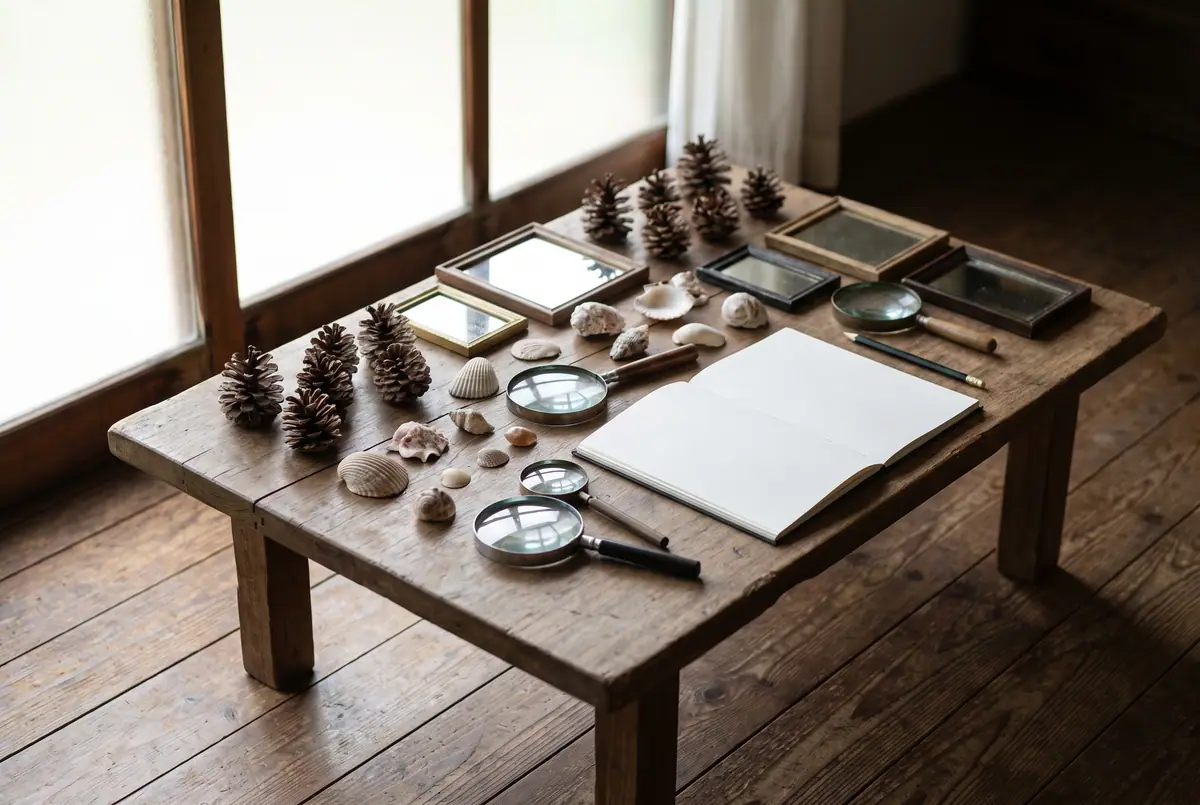 Approach · 6 minWhat a provocation actually is (and what it is not)Reggio-inspired schools talk constantly about provocations. Here is what one looks like on a Tuesday morning in the Twos room, and why the word is doing real work rather than decorating a craft table.
- Safety · 7 minHow we practise safe sleep, in plain languageAlone, on the back, in a crib, every time. What safe sleep means in practice in our infant room, what we do about the fifteen-minute checks, and the one thing that can change any of it.
Come and see the light in the rooms
Tours run Tuesday and Thursday at 9:30am, deliberately while the rooms are full and working. Bring your child if you like. Allow an hour.