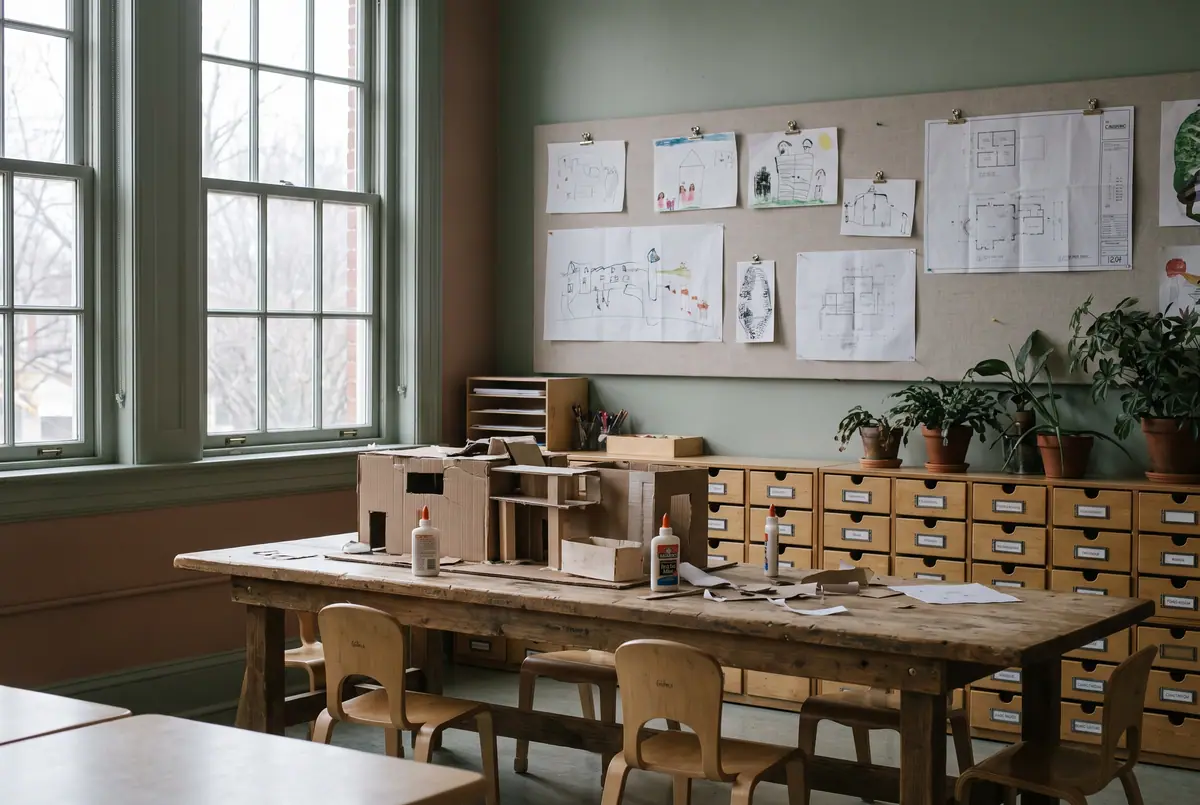
What actually happens, between 7:30 and 5:30
This is a rhythm rather than a timetable. The times are real and the rooms hold to them, because young children need to know what comes next — but what happens inside each block belongs to the children.
Arrival to going home
Every room runs on this shape. What changes between the Infant room and Pre-K is not the shape but the length of the blocks — an infant's morning is theirs, a four-year-old's is two hours of uninterrupted project work.
The slow door
Arrival
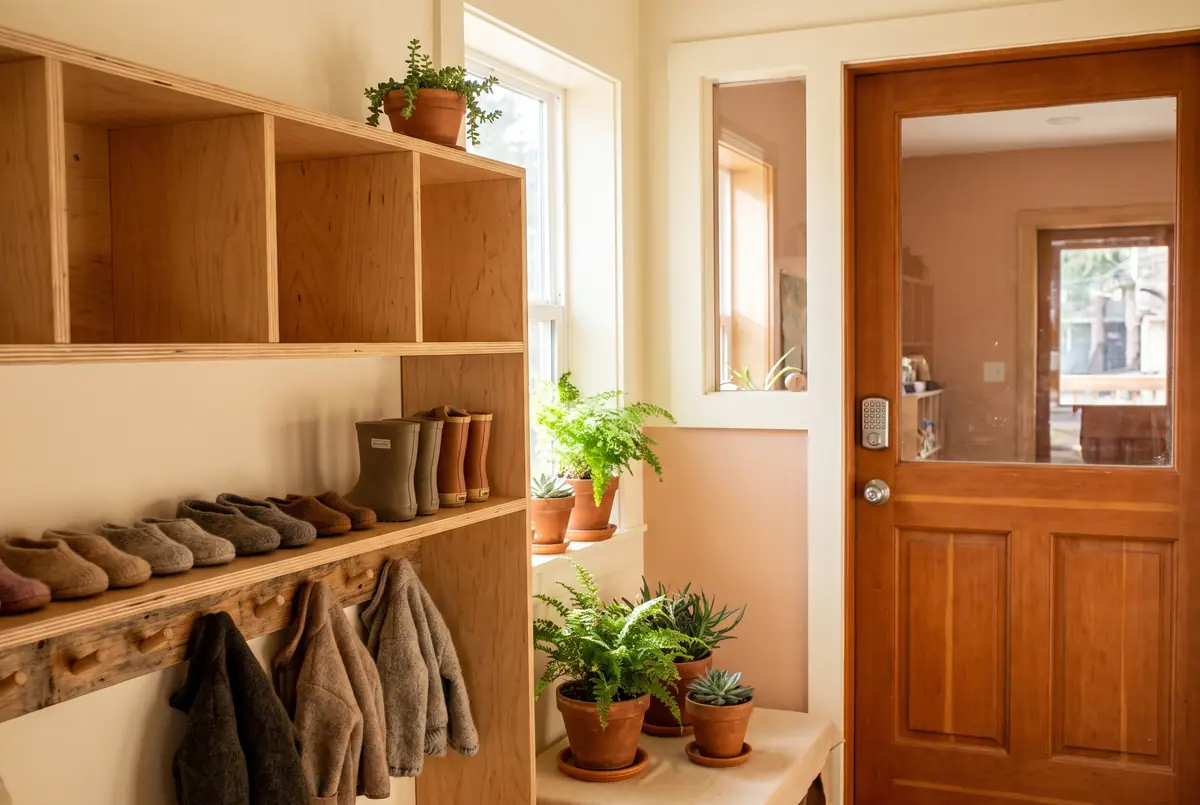
Doors open at 7:30 and stay slow until nine. Arriving is a handover, not a drop-off — a minute at the door with the person who will have your child all day.
- Every family signs in on the tablet by the door. The entry stays locked; families have their own code and staff let visitors in by hand.
- Breakfast is out until 8:45 for anyone who needs it, at the table, with an adult sitting down.
- Nobody is asked to join anything. Children who need twenty minutes on a lap get twenty minutes on a lap.
What is set out
The provocation
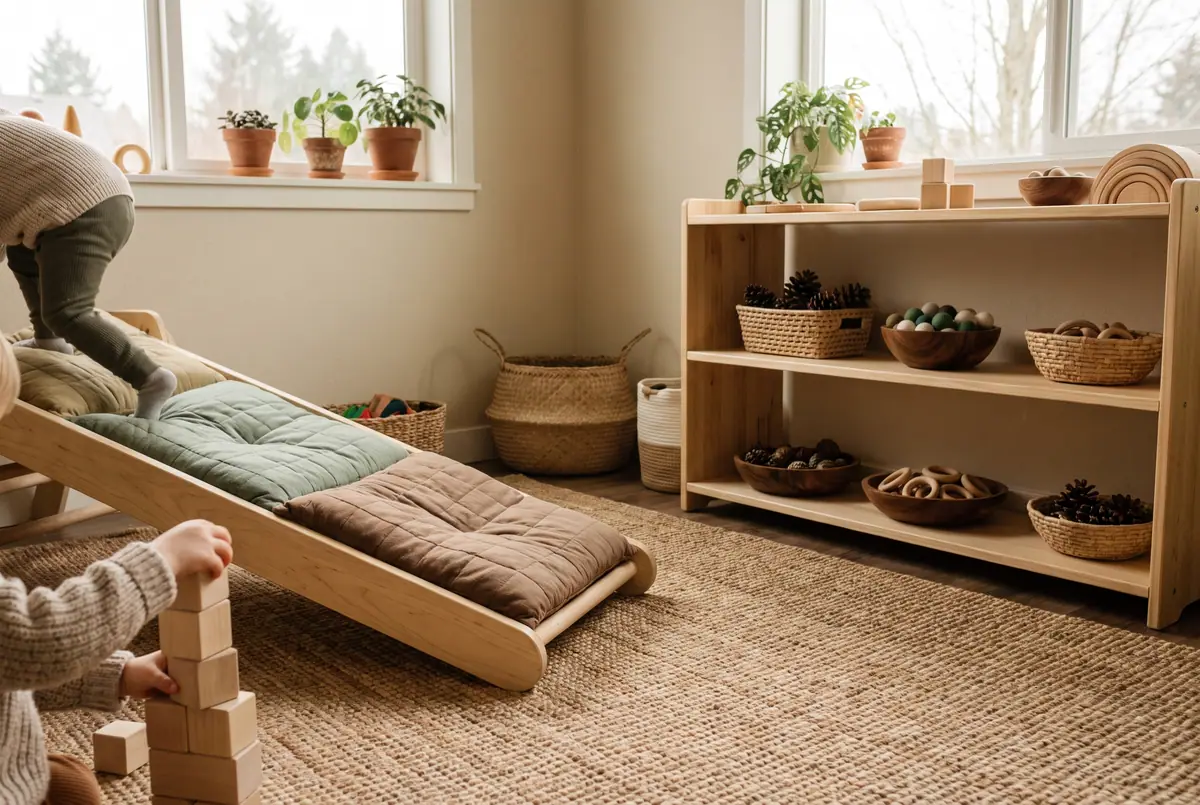
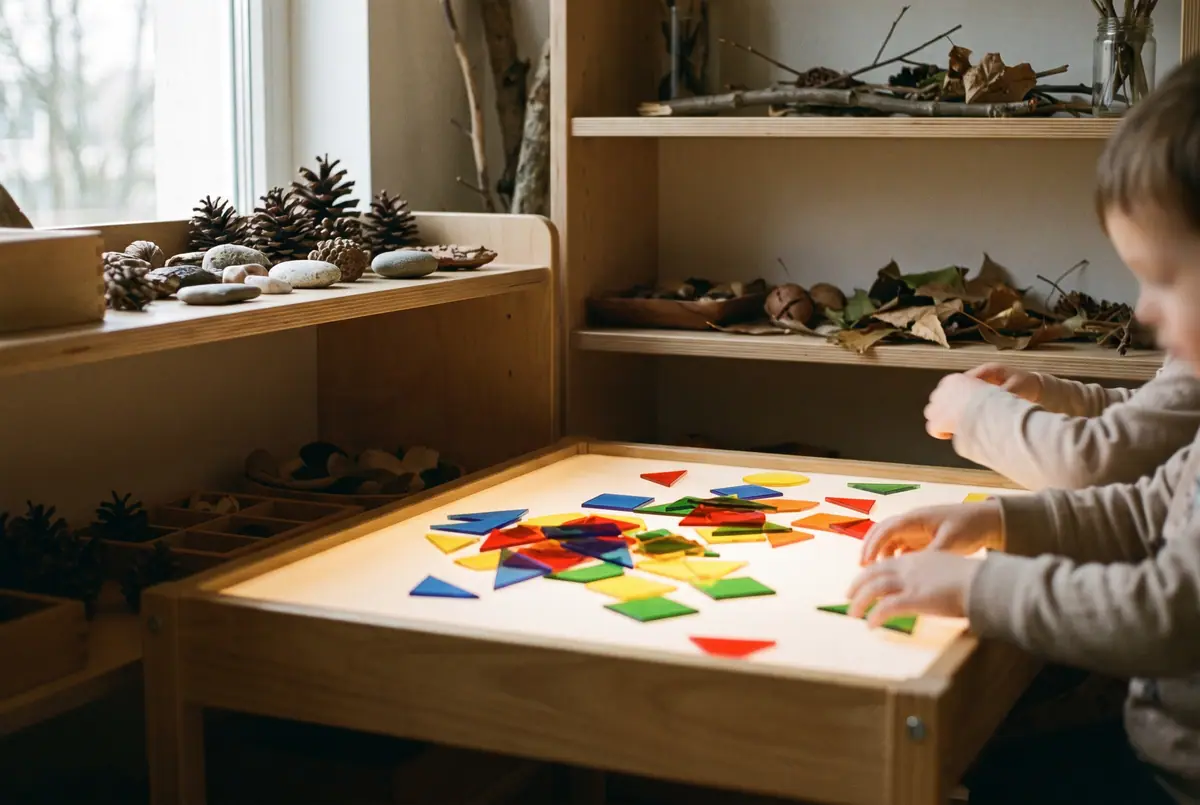
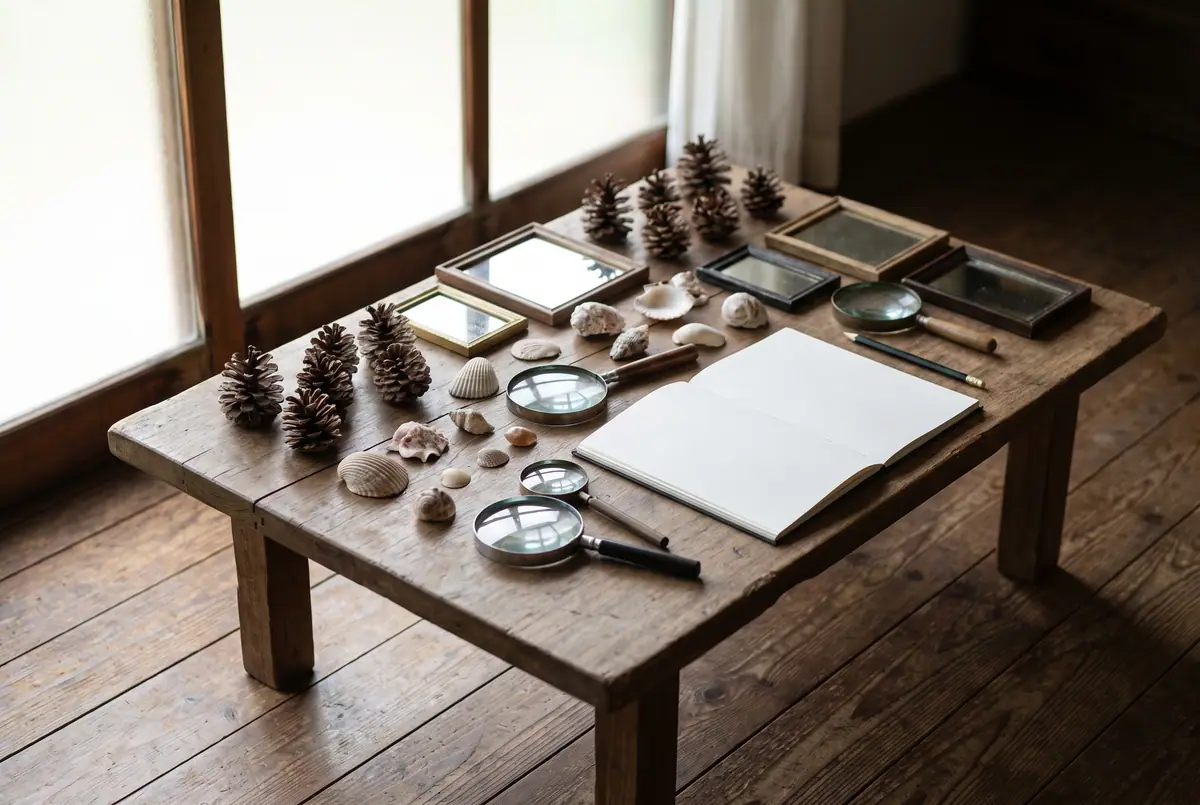
Each room opens with something laid out on a low table — materials, an object, a question written down. It is an invitation, not an assignment, and children are free to ignore it entirely.
- The provocation comes from what educators noticed the day before. It is planned the afternoon before, not a term in advance.
- Some are answered in ten minutes. Some turn into a nine-week project about shadows.
- Children who ignore it are not redirected to it. The room has plenty else in it.
Every day, all of them
Outdoors
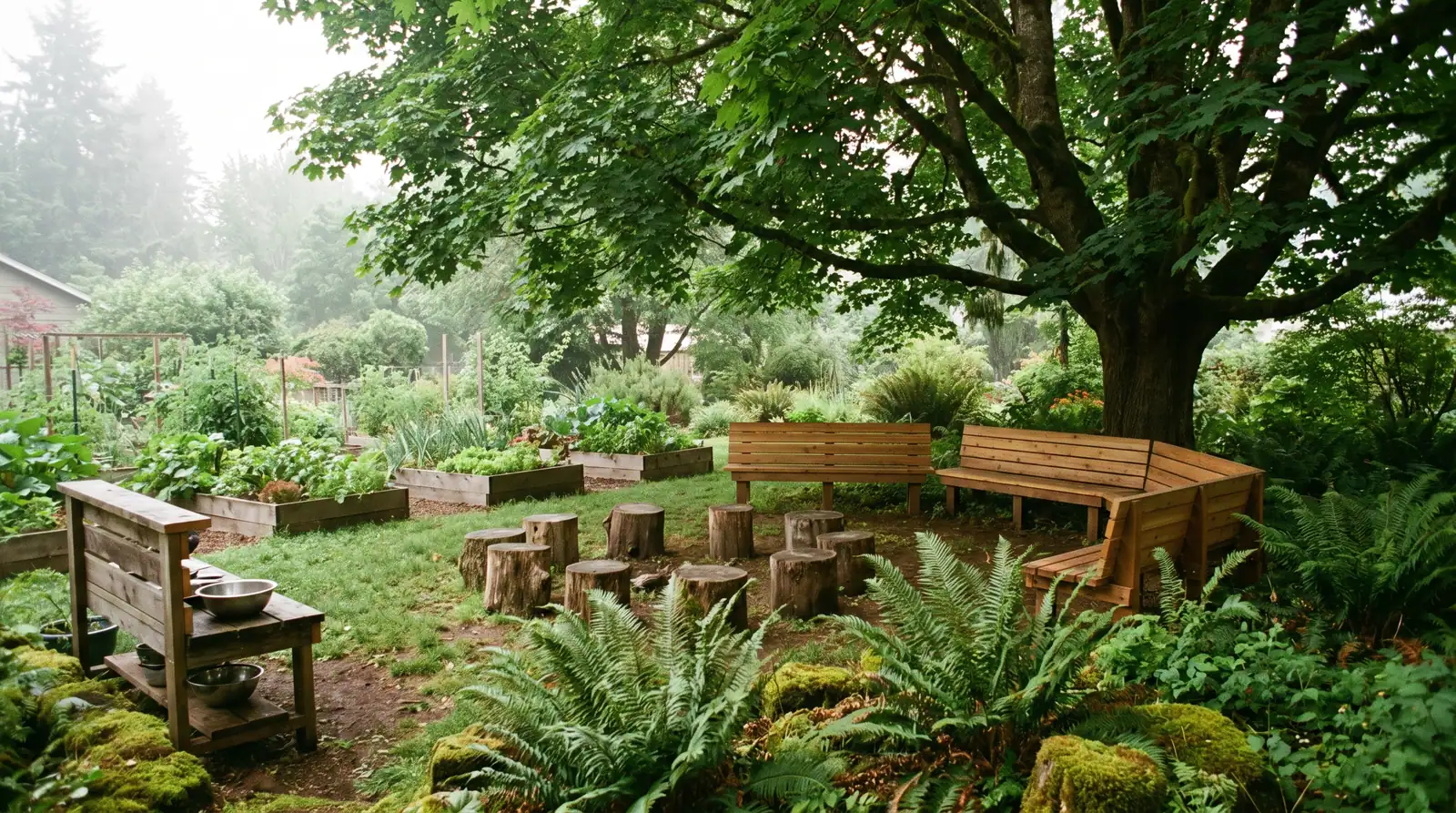
Every room goes outside every day, in every weather short of unsafe. Portland rain is not weather; it is the climate. Children have waterproofs here and we own spares.
- The outdoor classroom is a real classroom — cedar benches, a mud kitchen, raised beds, a stand of big-leaf maple and a lot of loose parts.
- We come in for lightning, ice, heat above 95°F, or an air quality index over 150. Rain, wind, cold and mud are not reasons.
- Infants go out too, in the pram or on a blanket.
Family-style, at the table
Lunch
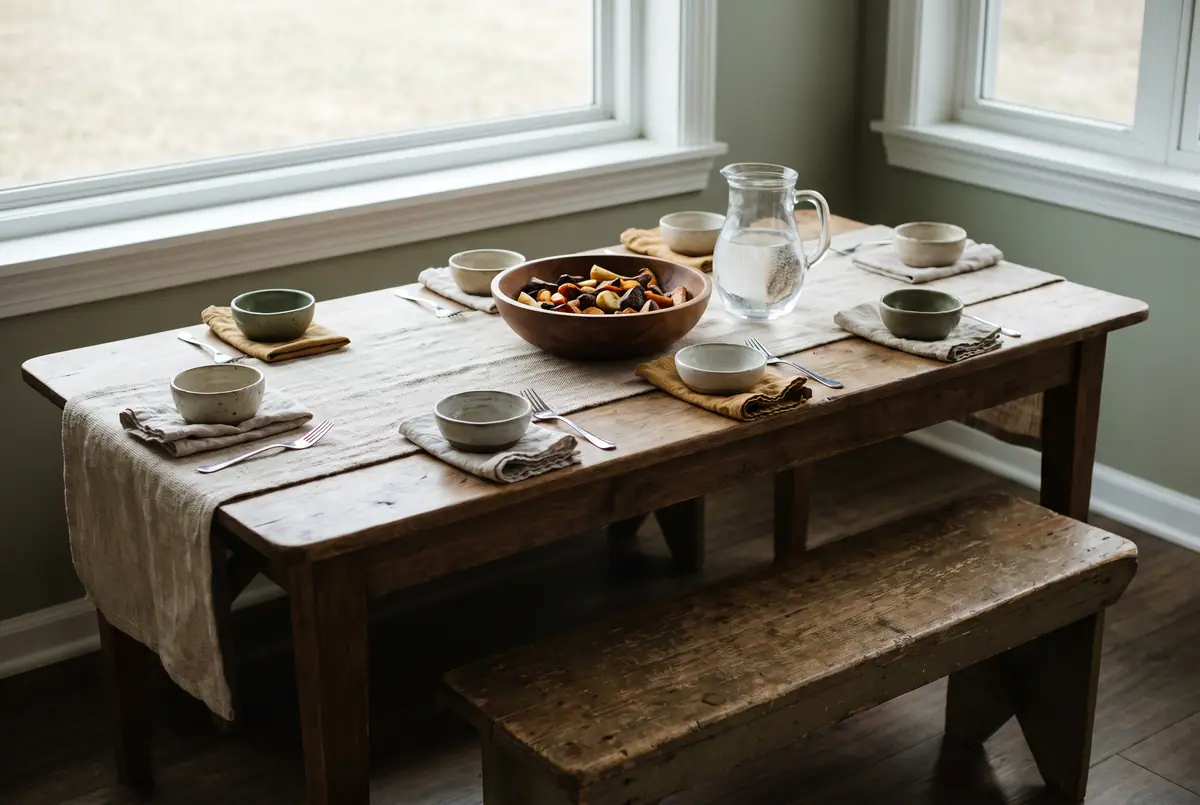
Food is cooked here, in our kitchen, from a four-week rotating menu. Children serve themselves from bowls at the table, with real crockery and real cutlery, and educators sit and eat the same meal.
- No child is made to eat anything. Trying is invited, never required.
- Every allergy has a written care plan and a photograph at the point of service. Allergen-free meals are plated first, in the kitchen, and carried out separately.
- Children clear their own places. Two-year-olds are surprisingly good at this and take a very long time.
Everybody rests, not everybody sleeps
Rest
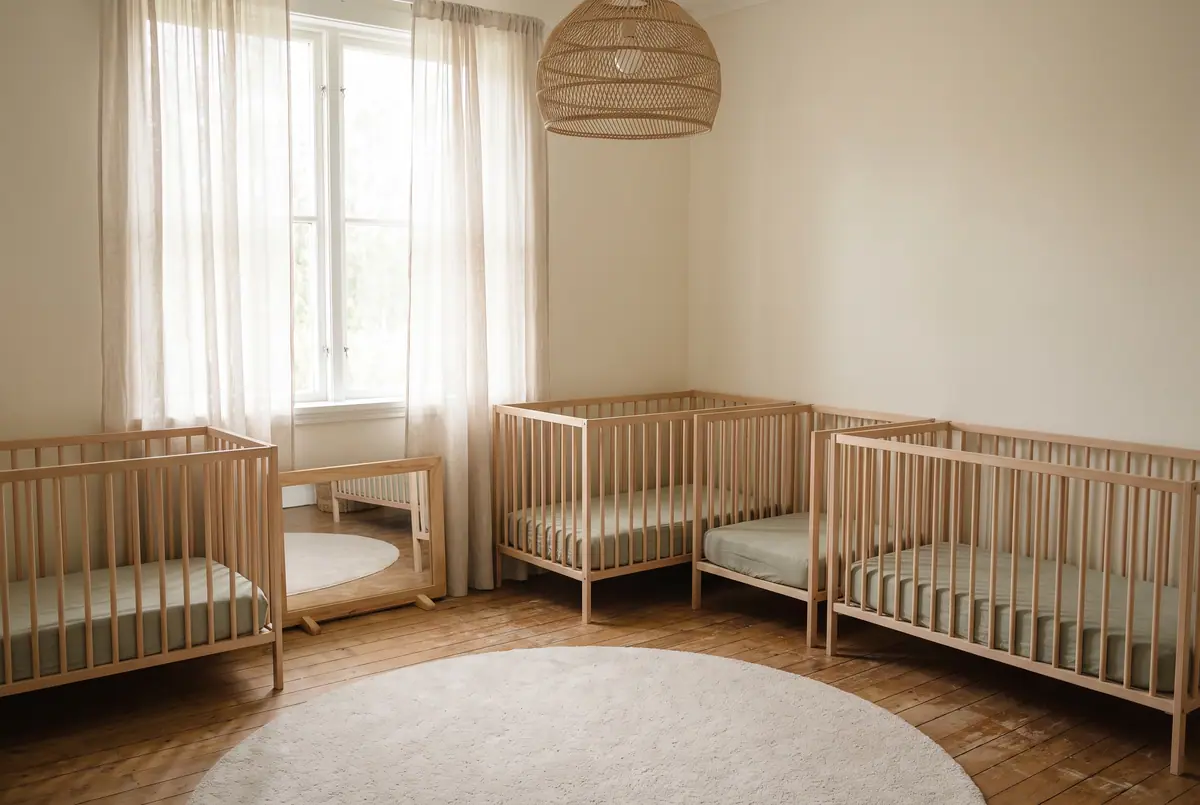
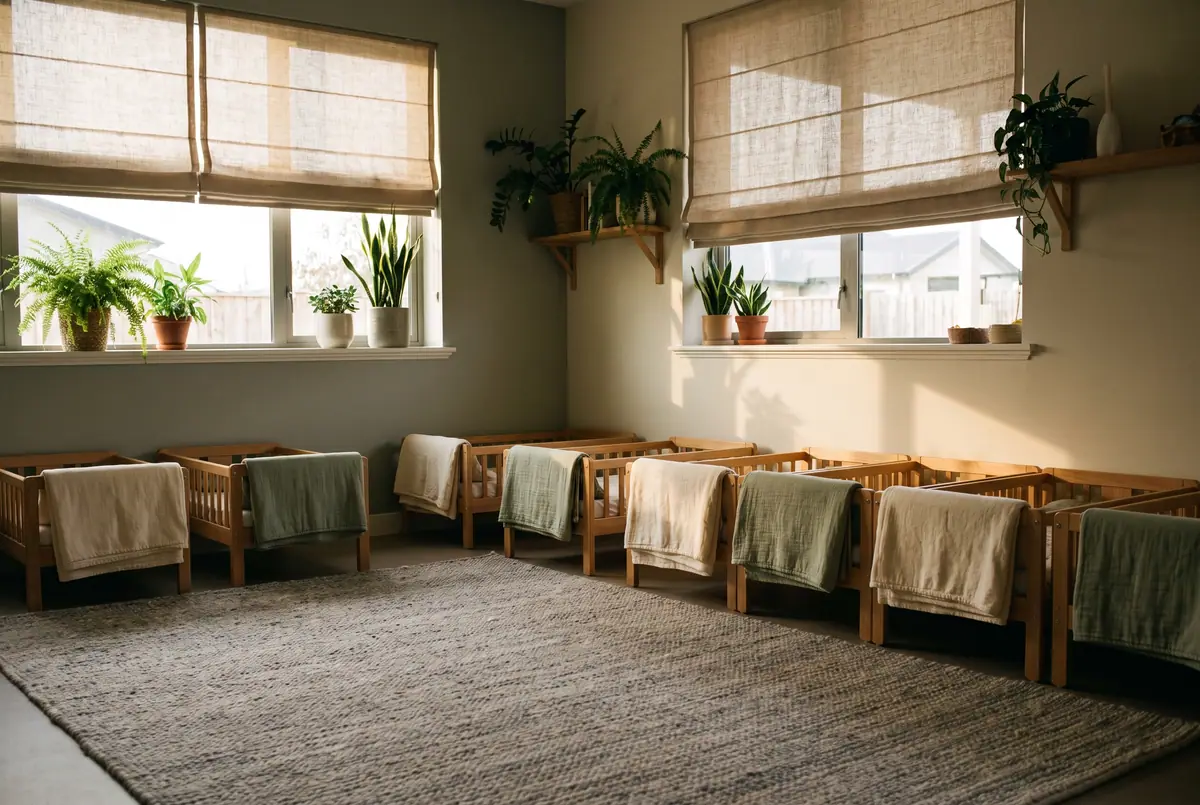
Cots come out, blinds come half down, the lamps go on. Children who sleep, sleep. Children who do not lie down for twenty minutes with a book and then get up and work quietly.
- Infants sleep in their own cribs, on their backs, on a firm mattress with nothing else in the crib, and are checked and logged every fifteen minutes.
- For older children, cots are spaced and each child has their own bedding, laundered here weekly and whenever it needs it.
- An educator is awake and present in every sleeping room for the whole rest period.
The atelier is open
Studio
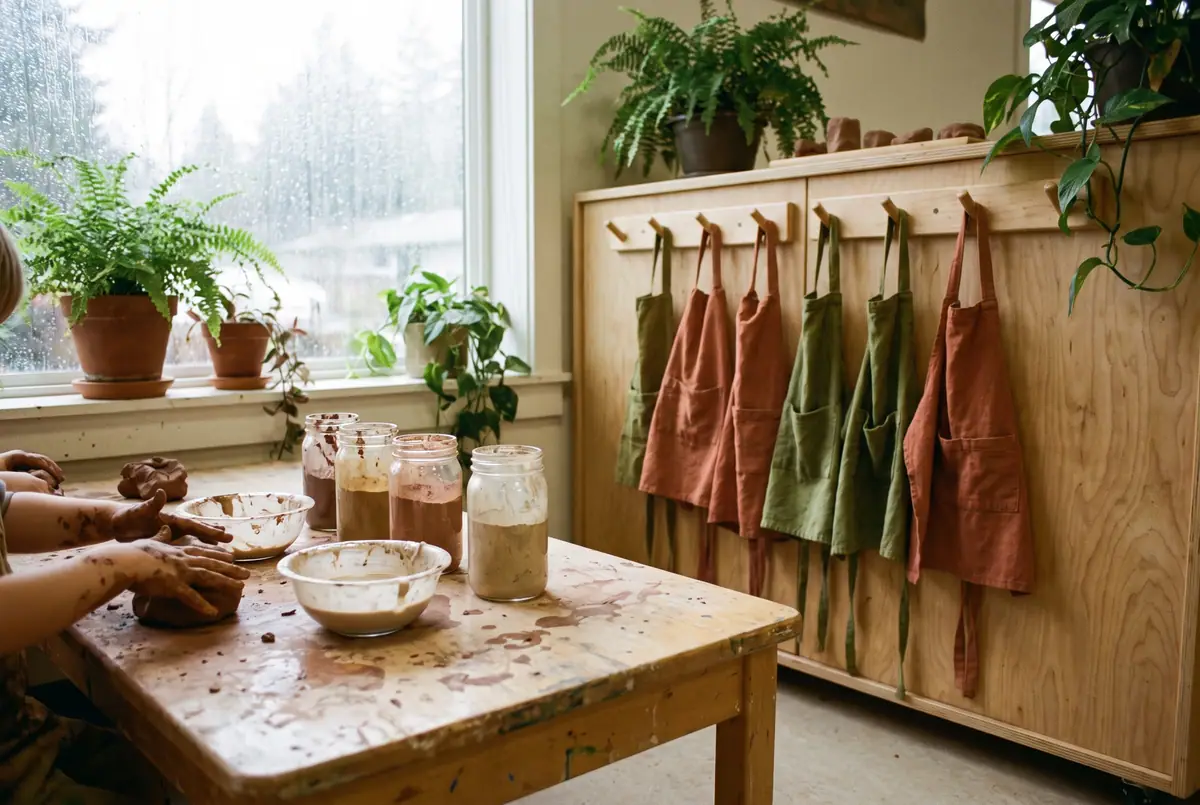
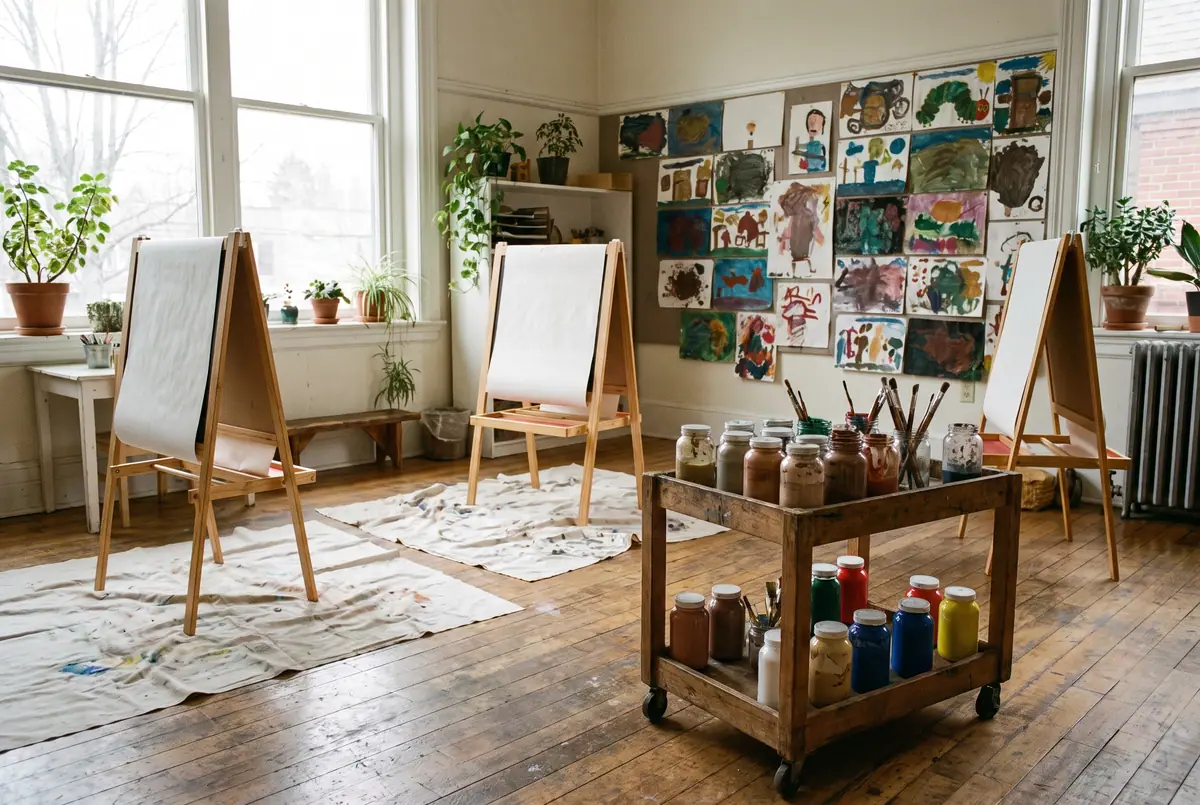
The afternoon belongs to the studio. Clay, wire, paint, light and wood, with the atelierista, for as long as a child wants to stay with something.
- Work in progress is left out overnight, labelled, so it can be picked up again tomorrow.
- Everything a child makes is theirs. It goes home when they decide it is finished, not when the wall needs refreshing.
- The atelierista is a trained artist who works across Preschool and Pre-K.
The long, quiet end
Going home
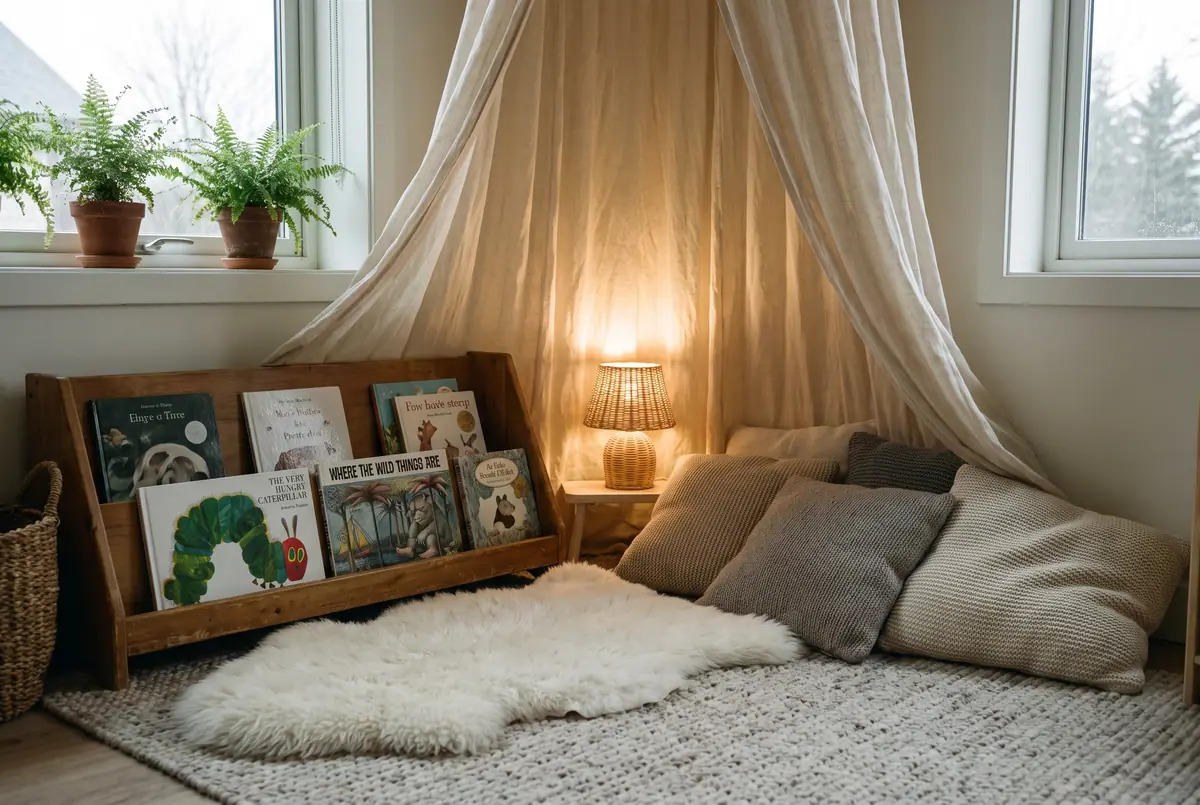
The last hour is deliberately unstructured — outside if the light holds, books and blankets if it does not. Pickup is a second handover: what they did, who they did it with, and anything you need to know.
- Only adults on your written authorised-pickup list may collect your child, and photo ID is checked for anyone we do not know by sight.
- The day sheet goes home with infants and toddlers; older rooms get a short written note on the door and a photograph or two.
- Doors close at 5:30. We are strict about it, because the educators have their own children to collect.
Four honest ones
The first fortnight is often hard
Some children settle in three days. Some cry at the door for three weeks. Both are normal and neither predicts anything. We will tell you, honestly, how the twenty minutes after you left actually went — including when the answer is "badly".
Your child will come home filthy
Clay, paint, mud and the specific grey of Portland puddle water. We use aprons and they are not sufficient. Send clothes you do not mind about, and two full changes in the bag between October and May.
Illness spreads, especially in the first year
A child new to group care gets sick a lot in their first six months, and it is genuinely brutal on a working family. It does settle. Our exclusion criteria are on thesafety page so you can plan around them rather than discover them.
We close at 5:30, firmly
Not 5:35. The educators have their own children to collect, and a centre that lets 5:30 drift is a centre with a staffing problem coming. A late collection is a phone call and a conversation, not a fine.
Come at 9:30 and watch the provocation land
Tours are timed for the start of the morning block on purpose. You will see a room decide what it is doing, which is the most informative twenty minutes in the day.