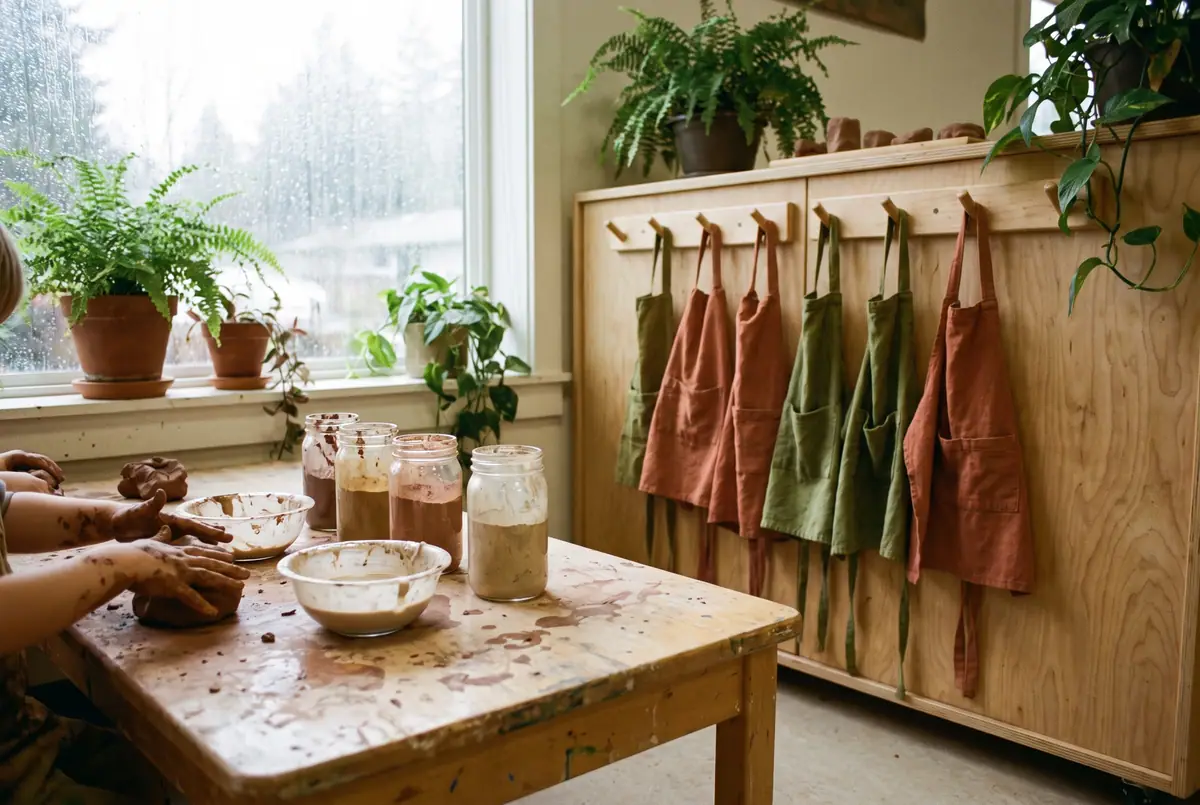
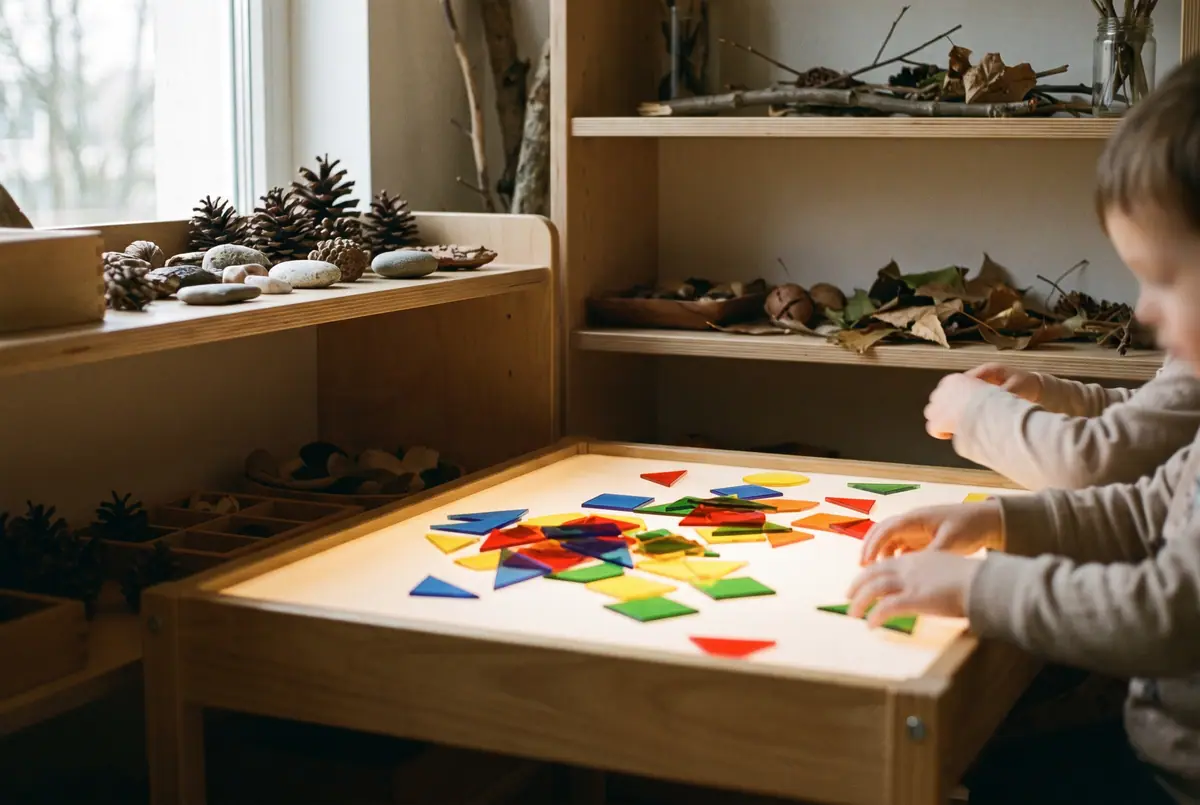
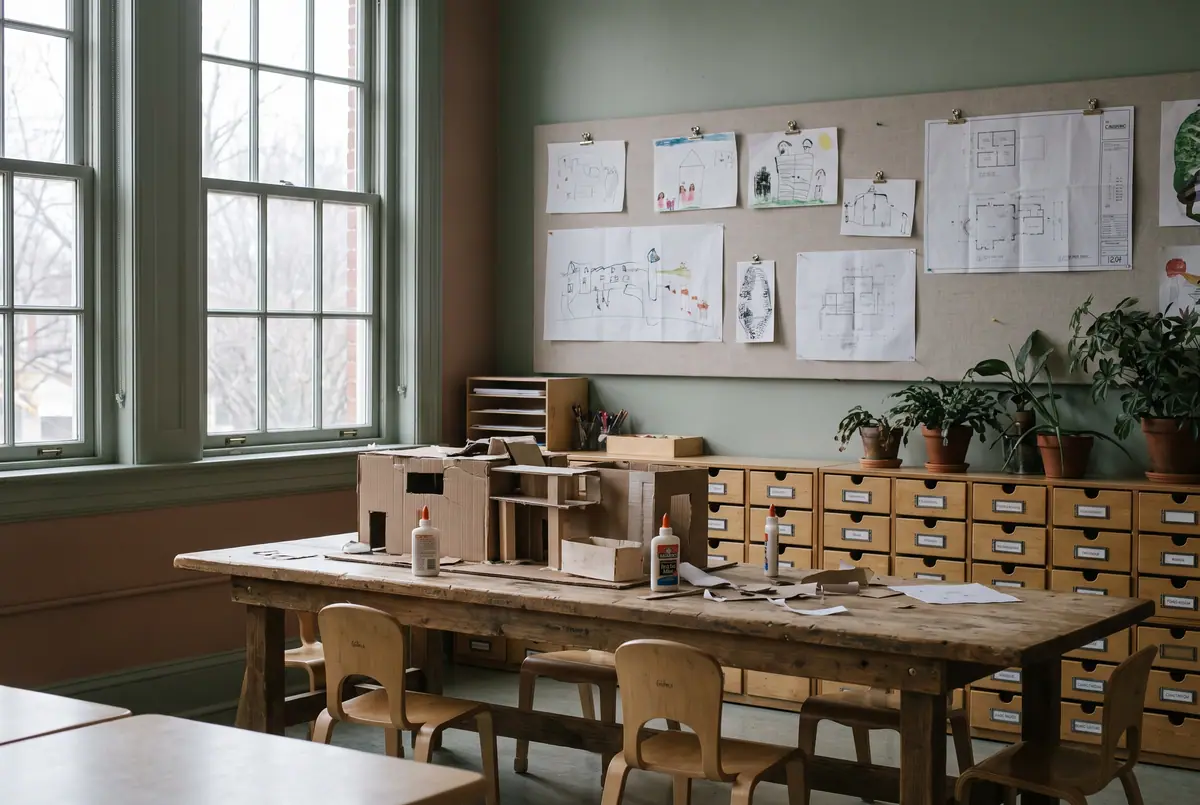
Portland has around 150 rainy days a year. Treating them as indoor days would mean children barely went outside between October and May. Here is what we actually do, and where the line is.
On my second day here a parent asked, with real anxiety, whether the children had been out in "that". "That" was ordinary February drizzle. They had been out in it for ninety minutes and had built a dam.
Rain is not weather here. It is the climate.
Portland gets rain on roughly 150 days a year, most of them between October and May. A centre that keeps children in when it rains is a centre where children spend seven months indoors. That is not a small trade-off — outdoor time is where the gross motor development, the risk assessment, the sustained attention and most of the good arguments happen.
So every room goes outside every day.
Where the line actually is
We stay in for: lightning; ice on the ground; sustained heat above 95°F; and an air quality index above 150, which in an Oregon August is the one that matters. Everything else — rain, wind, cold, fog, mud, and the specific horizontal rain that gets inside a hood — is a going-out day.
What that needs from you
- A waterproof jacket and waterproof trousers that actually keep water out. A "shower resistant" school coat is not this.
- Wellington boots that fit, plus indoor shoes or slippers to change into.
- Two full changes of clothes in the bag, all the time, in winter.
- A tolerance for laundry that I will not pretend is small.
We keep spare waterproofs and boots in every size, laundered, because someone always forgets and no child is kept in for it.
What happens out there
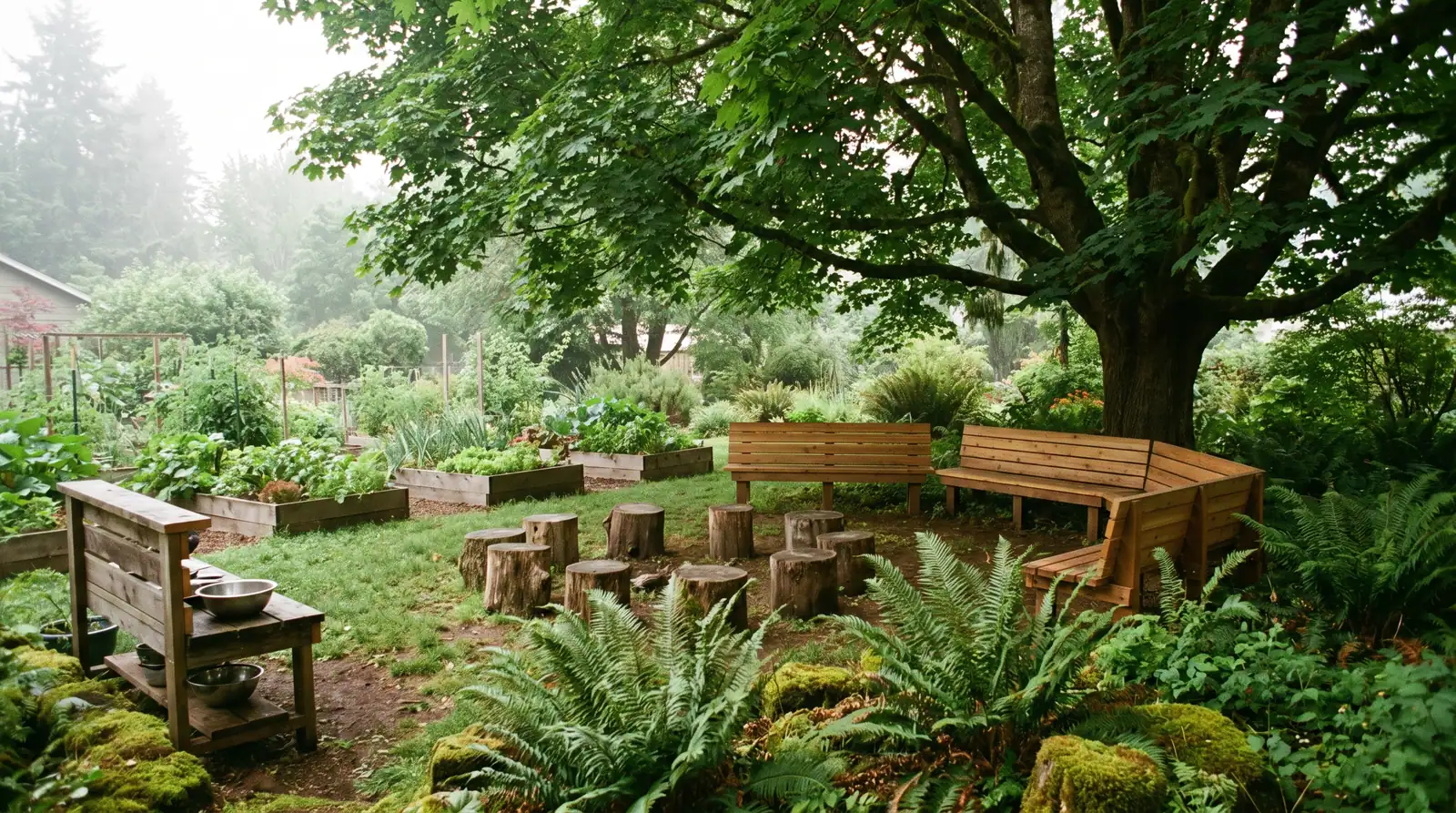
The outdoor classroom is a classroom. It has cedar benches, a mud kitchen built from reclaimed timber, raised beds we plant and eat from, a stand of big-leaf maple, and a great many loose parts — planks, crates, guttering, rope, buckets. It is not a playground with fixed equipment, because fixed equipment has one correct use and children exhaust it in a fortnight.
Rain changes the whole material. A slope that is a slope in July is a slide in November, and children discover that themselves, once, memorably.
Infants too
The infant room goes out daily as well — under the covered deck when it is heavy, in the pram under the maple when it is not. A baby who has watched wet leaves move for twenty minutes has had a better morning than a baby who has watched a ceiling.